Sadiki Metals, located in Kinshasa, Congo, has built a solid reputation as a reliable manufacturer and supplier of high-performance metals, including Nickel Alloy Forgings. These forgings are celebrated for their outstanding corrosion resistance, impressive strength at high temperatures, and overall durability, making them perfect for tough industrial and engineering tasks. Nickel alloys are crafted to perform consistently in challenging environments, such as chemical, marine, and high-heat conditions. At Sadiki Metals, every forging is produced to meet international quality standards, ensuring that industries receive precise, durable, and high-performance nickel-based components that stand the test of time.
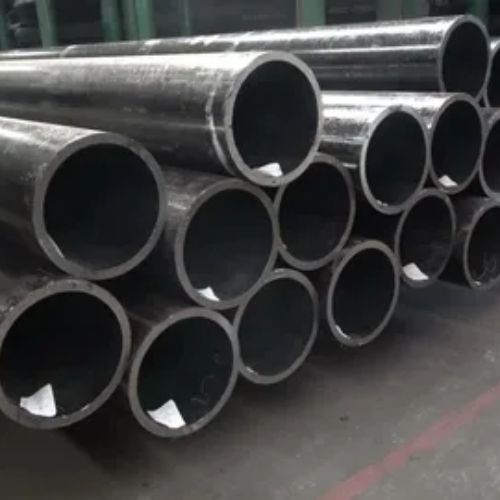
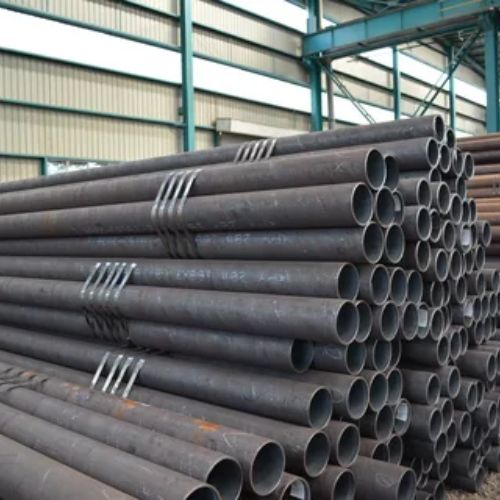
Nickel Alloy Forgings mainly consist of nickel, blended with varying amounts of chromium, iron, molybdenum, copper, cobalt, and other alloying elements, depending on the specific grade. This unique composition guarantees excellent corrosion resistance, high tensile strength (typically ranging from 500 to 1,200 MPa based on the alloy), good ductility, and stability even at elevated temperatures. These forgings maintain their mechanical integrity under stress, resist oxidation and pitting, and deliver exceptional performance in extreme industrial settings, making them ideal for critical applications.
| Standard | ASTM B564, ASME SB564 |
| Specification | DIN, ASTM, BS and all International Standards |
| Flat bar blocks | up to 27″ width and 15,000 lbs. |
| Cylinders and sleeves | up to 50″ maximum O.D. and 65″ maximum length |
| Discs and hubs | up to 50″ diameter and 20,000 lbs. |
| Rolled, hand forged or mandrel forged rings | up to 84″ maximum O.D. and 40″ maximum length |
| Rounds, shafts and step shafts | up to 144″ maximum length and 20,000 lbs. |
| Forging Types | Impression Die Forging, Open Die Forging, Seamless Rolled Forging, Hot Forging, Cold Forging, Open die hammer forging, Impression die drop forging, Closed Die Forging, Press Forging, Upset Forging, Compression Forging, Swaging, Rotary Forging, Roll forging. |
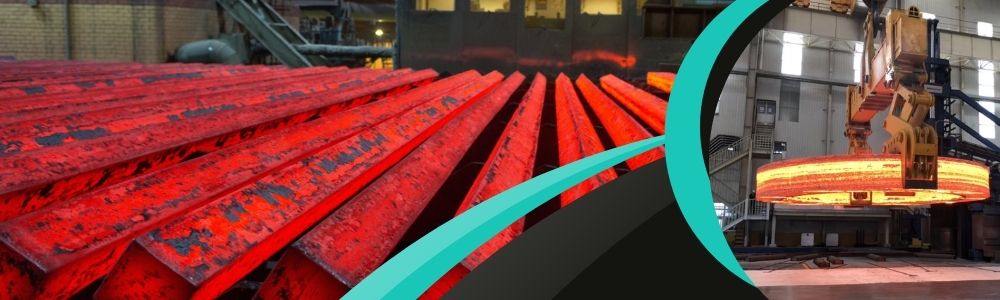
The forging process for Nickel Alloy typically takes several hours, depending on the complexity and size of the component. The overall time includes heating, shaping, and cooling stages, which can vary based on specific requirements.
Temperature control is crucial in forging Nickel Alloy, as it ensures proper material flow and prevents defects like cracking or warping. Maintaining optimal temperatures improves mechanical properties, such as strength and durability, ensuring high-quality forged components.
Improving the surface finish of forged Nickel Alloy parts can be achieved through processes like polishing, grinding, or shot peening. Additionally, using proper lubrication during forging and post-forging heat treatment helps minimize surface imperfections.
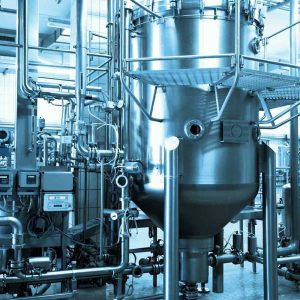
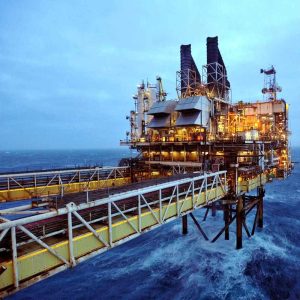
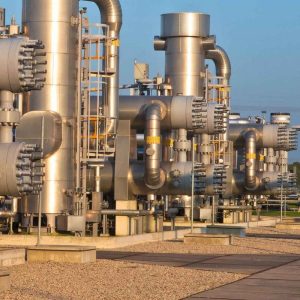
Nickel Alloy Forgings find extensive use in industries that demand superior corrosion resistance, high-temperature performance, and mechanical strength. You’ll commonly see them in chemical processing equipment, heat exchangers, valves, pumps, pressure vessels, marine components, and aerospace parts. They’re also essential in petrochemical plants, the oil and gas sector, and power generation systems, where exposure to harsh chemicals, extreme temperatures, and mechanical stress is a regular occurrence. With their reliable, long-lasting performance, nickel alloy forgings are perfect for crafting critical, high-performance components.

We provide products that come with both mill test certificates and third-party test certificates, ensuring the highest standards of quality and compliance.
Sadiki Metals is a leading manufacturer, supplier, and exporter of high-quality bars, rods, and forgings, catering to various industries in Kinshasa, Congo
Copyright 2024 Sadiki Metals. All rights reserved